
By 2026, the strange case of Wukong Sun: Black Legend still reads like a cautionary tale about storefront velocity. When Black Myth: Wukong arrived in 2024 as one of the year’s most discussed action games, a smaller title with a suspiciously familiar name surfaced on Nintendo eShop. The game, Wukong Sun: Black Legend, was developed by Global Game Studio, and its title, artwork, and timing made players do a double take. The title arrived like a counterfeit coin slipped into a tray of gold sovereigns—close enough in silhouette to make a cashier pause. It was not a direct clone of Game Science’s blockbuster, but it leaned into the ambiguity with the confidence of a street performer borrowing a famous magician’s cape.
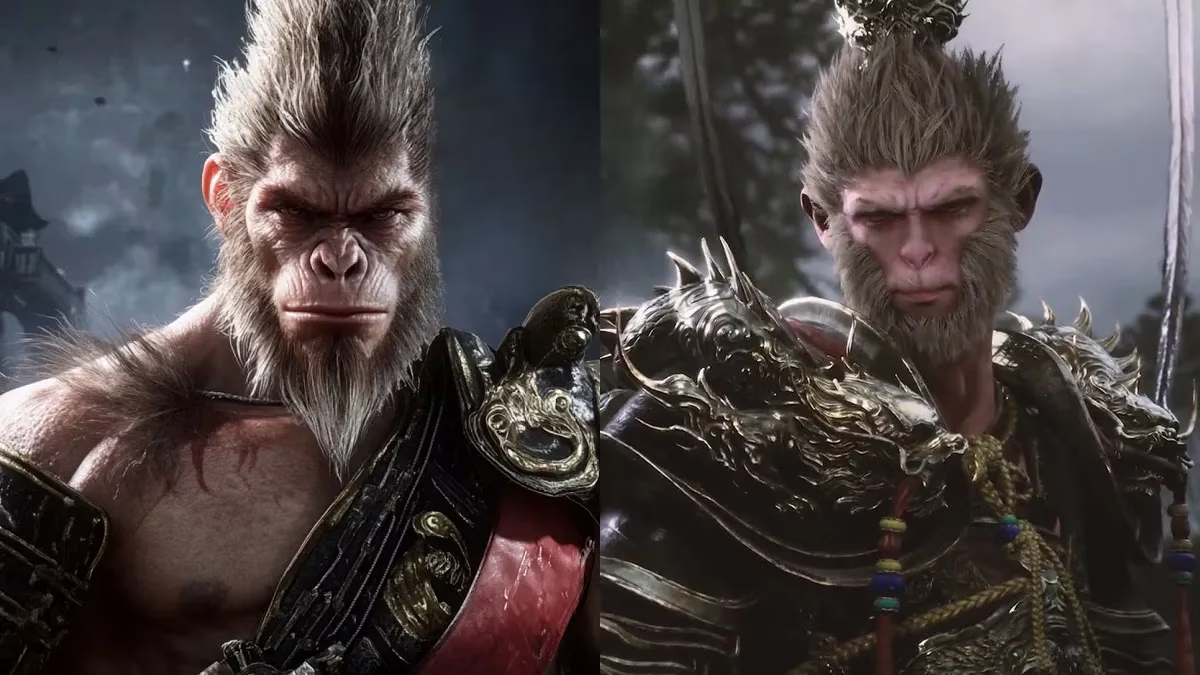
The comparison was hard to miss. Black Myth: Wukong is a lavish 3D action RPG built around Chinese mythology; Wukong Sun: Black Legend is a 2D side-scrolling action game. Both draw from Journey to the West, the classic novel featuring Sun Wukong and his duty to accompany Tang Sanzang in delivering Buddhist scriptures. That shared literary root gives the smaller game a legal and cultural alibi. It can point to the same ancient source material without copying the newer game’s code, levels, or characters. Even so, the eShop presentation seemed designed to create a misleading family resemblance. The promotional artwork was not a direct copy, yet it echoed Black Myth’s marketing in composition and mood, like a funhouse mirror hung in a gallery of polished portraits.
| Element | Black Myth: Wukong | Wukong Sun: Black Legend |
|---|---|---|
| Developer | Game Science | Global Game Studio |
| Format | 3D action RPG | 2D side-scroller action |
| Inspiration | Journey to the West | Journey to the West |
| Storefront signal | Major premium release | Small eShop title with similar name and art |
Public details about Global Game Studio were thin at the time. The studio had only one game on Nintendo eShop, and online records offered little clarity. Two mobile developers shared the same name, but it was unclear whether either was connected to the eShop release. That fog around the developer only deepened the impression that the game was less a fully realized project than a piece of opportunistic packaging. 🎭
Players who noticed the listing quickly poked fun at the similarities. On ResetEra, one commenter described it as having ‘We have Wukong at home vibes,’ adding ‘but totally different.’ Another said they had expected a wacky 3D knockoff because that would have been more entertaining. Others wondered how long the copy would last, considering Nintendo’s history of quickly removing blatant copies of popular games. The jokes were sharp, but they also revealed a real frustration: shoppers rely on names, icons, and screenshots to make fast decisions, and a resemblance can be enough to mislead.
⚠️ The pattern was not unique to Wukong. The indie game Unpacking also attracted copies on Nintendo eShop. Its developer publicly asked Nintendo to address the issue after the company failed to remove the knockoffs for more than two weeks. That episode, like the Wukong Sun case, highlighted the difficulty of moderating a marketplace where inspiration, homage, and confusion can wear the same costume.
By 2026, the original reports are more than a year old, and some storefront details may have changed. The core lesson remains relevant. Wukong Sun: Black Legend was not a blatant plagiarism case in the way a ripped asset or copied level would be. It was a shadow in the marketplace: a title and image that borrowed the glow of a much bigger release while standing on public-domain material. For players, the episode is a reminder to check developers, screenshots, and gameplay before buying. For platform holders, it is a reminder that curation is not a decorative extra; it is part of the product. 🕹️